
Waters we Fish

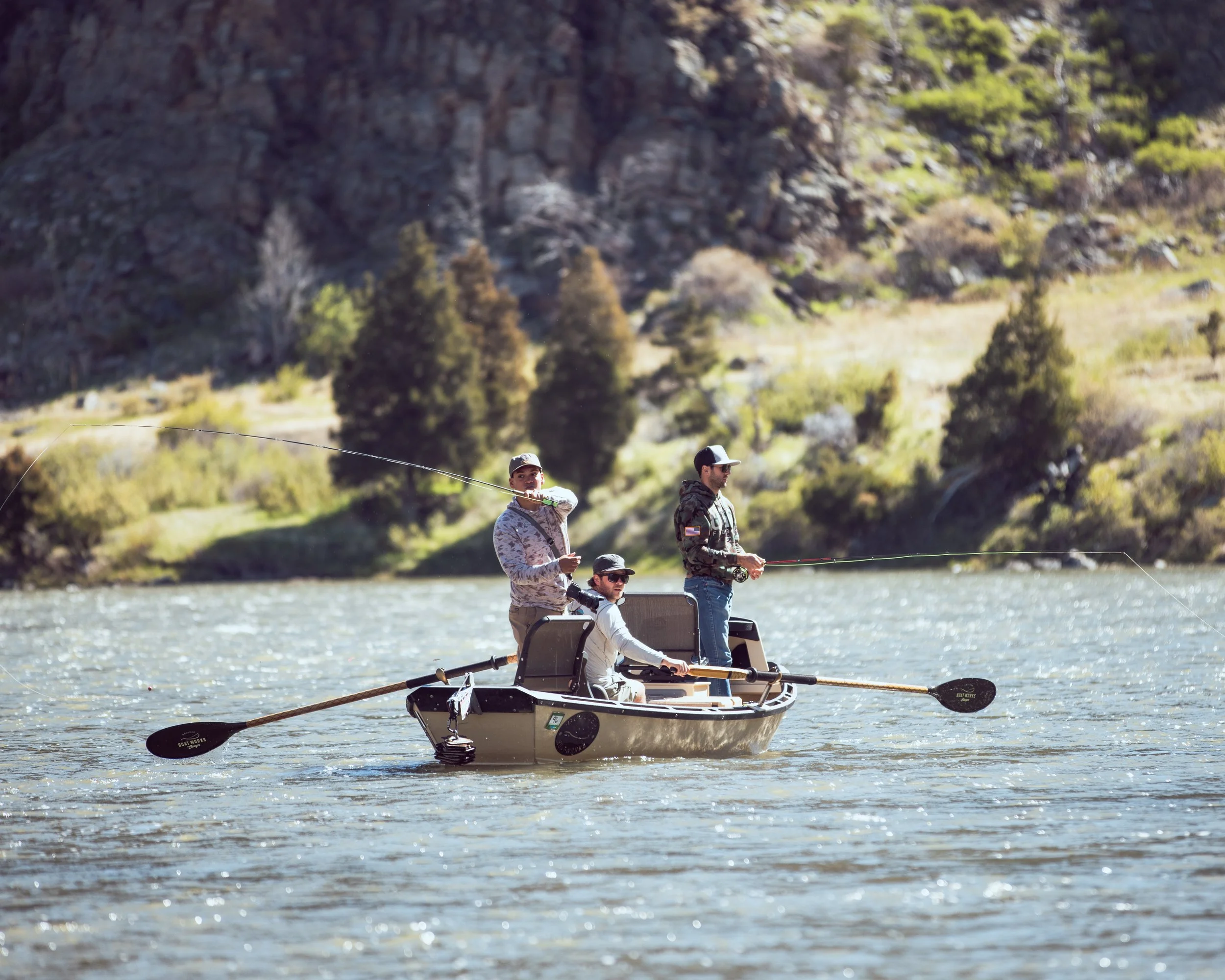
Yellowstone River
Fly fishing the Yellowstone River offers anglers one of the most iconic trout experiences in the American West. Flowing freely out of Yellowstone National Park and winding through the scenic Paradise Valley near Livingston, the river provides miles of productive water for targeting wild rainbow, brown, and cutthroat trout. Known for its strong fish, consistent hatches, and breathtaking mountain scenery, the Yellowstone delivers a classic Western fly-fishing adventure from late spring through fall.
Madison River
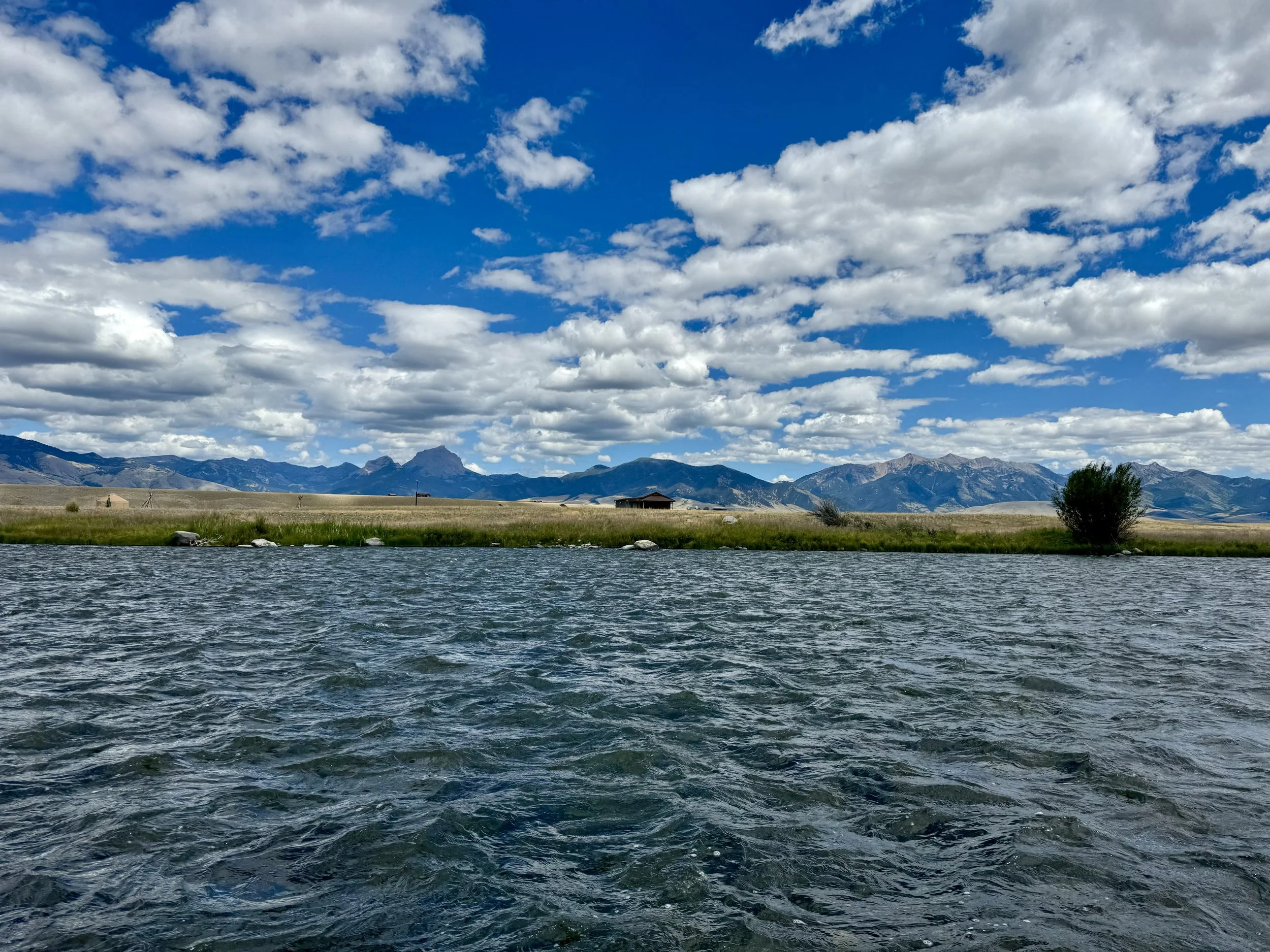
The Madison River is a classic Western trout experience known for its fast-moving currents, healthy trout populations, and stunning mountain scenery. Originating in Yellowstone National Park and flowing north through the Madison Valley past Ennis, the river offers anglers miles of productive riffles, runs, and pocket water. The Madison is famous for strong rainbow and brown trout that eagerly take dry flies during prolific hatches or nymphs and streamers throughout the season. Its combination of accessible wading, consistent flows, and aggressive fish makes it one of the most beloved fly-fishing rivers in Montana. The Madison is fishable nearly all year and is a great option for when other freestone rivers may be off color or too cold.
Jefferson River
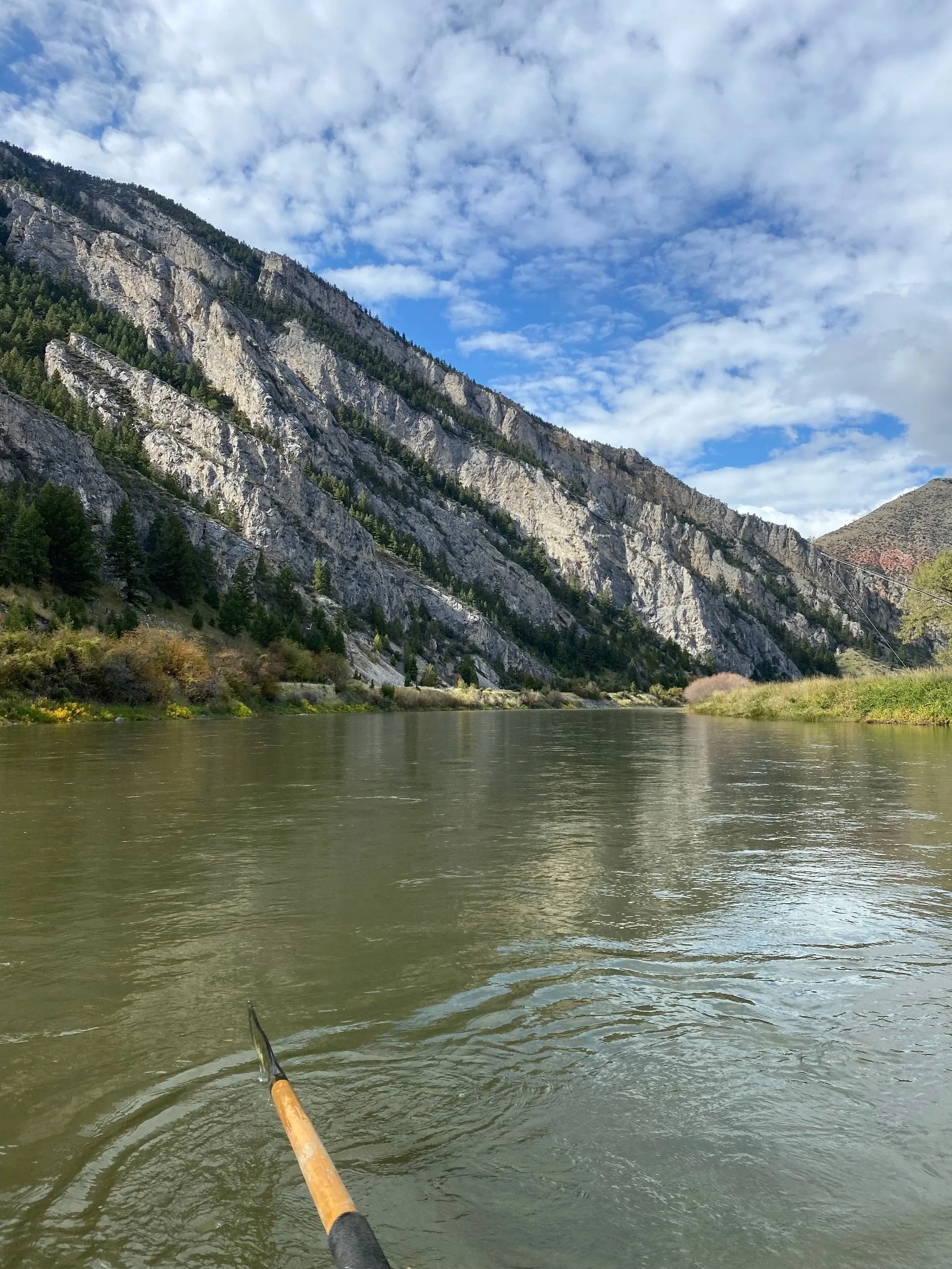
The Jefferson River is a slow-moving prairie river that forms near Twin Bridges, where the Beaverhead River and Big Hole River meet before eventually joining the Madison River and Gallatin River to create the Missouri River. Unlike Montana’s faster freestone streams, the Jefferson features long runs, deep bends, and grassy banks lined with cottonwoods, creating ideal habitat for large brown trout and rainbow trout. Fly anglers typically fish the river from a drift boat, targeting cutbanks, undercut banks, and slower seams with streamers, nymph rigs, or terrestrials like hoppers during late summer. While the Jefferson can be challenging at times due to warm water and fluctuating conditions, its quiet stretches, strong trout, and potential for big fish make it a rewarding destination for anglers seeking a classic Southwestern Montana float.
Missouri River
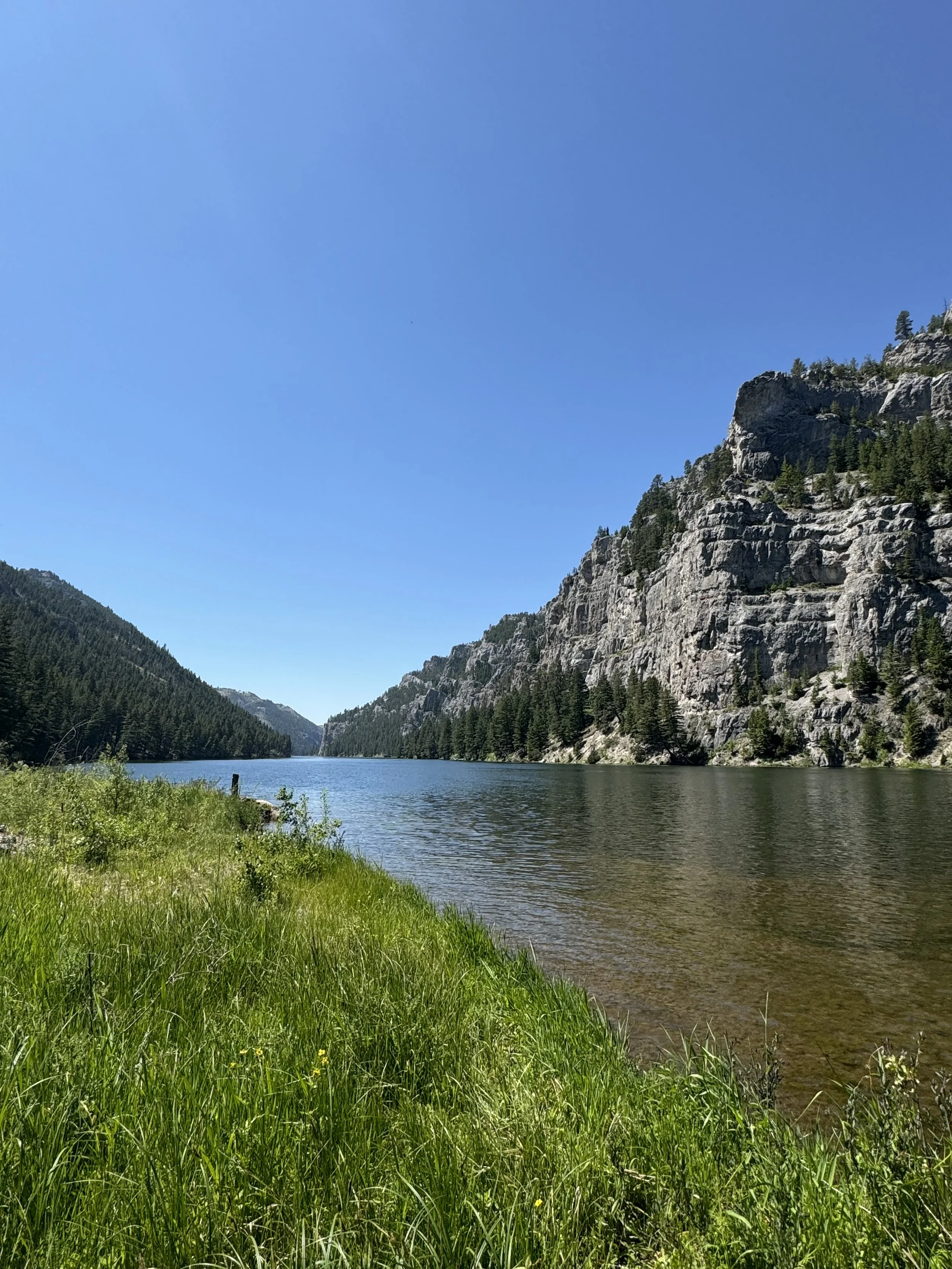
The Missouri River is widely regarded as one of the premier trout fishing experiences in the United States. The most famous stretch flows below Holter Dam near Craig, where cold, consistent flows create ideal habitat for large populations of rainbow and brown trout. Known for its clear water, steady insect hatches, and technical dry-fly fishing, the Missouri rewards anglers who can present small flies with precision. Whether drifting from a boat or wading its long riffles and flats, the river offers year-round opportunity and the chance to catch strong, healthy trout in a classic Western setting. These fish are a combination of smart and spunky, making them a challenge to bring to the net, but the Missouri makes for a thrilling day for any angler.
Gallatin River
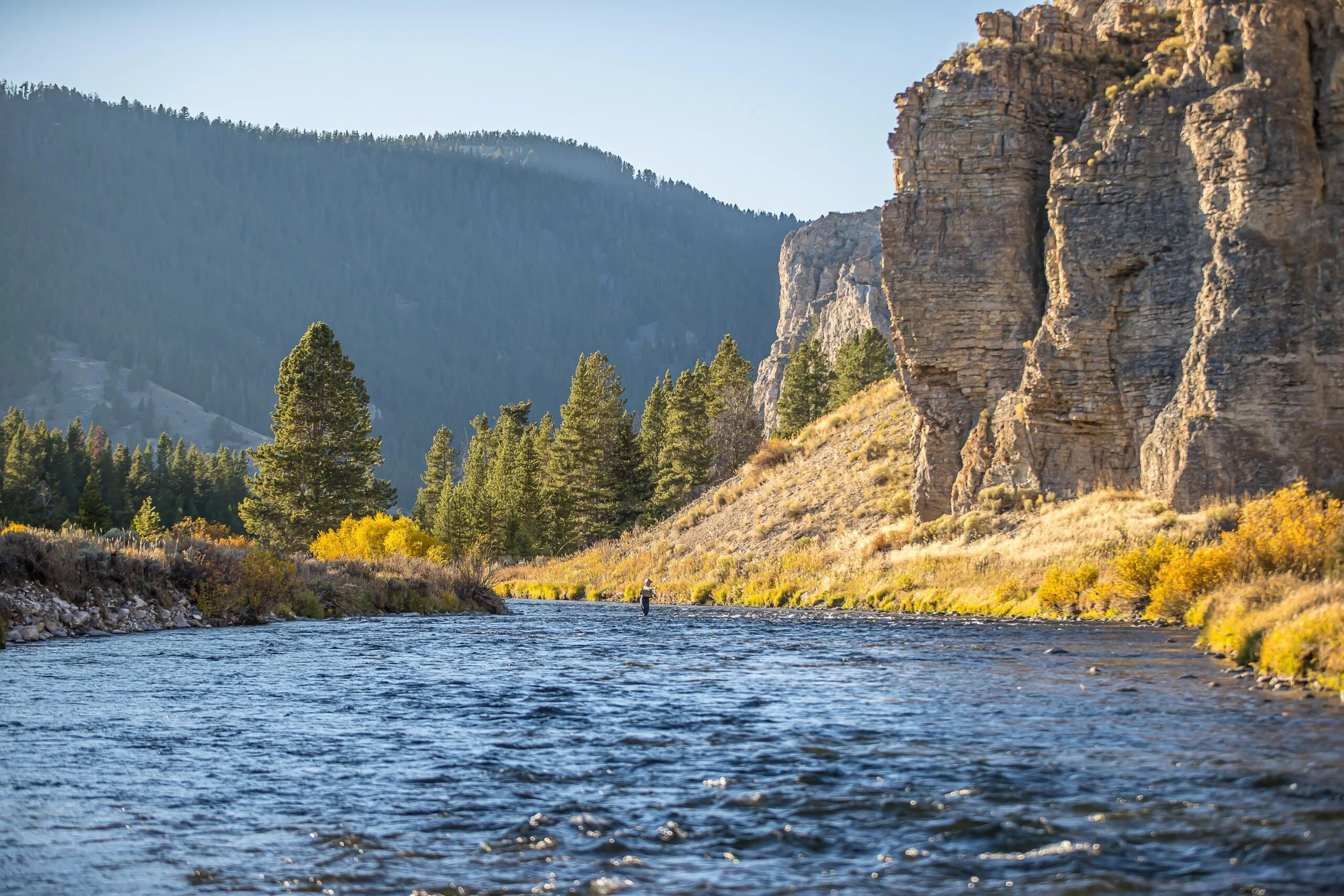
The Gallatin River is one of Montana’s most accessible and productive freestone trout streams, flowing north out of Yellowstone National Park through the scenic Gallatin Canyon before entering the Gallatin Valley. Known for its fast riffles, pocket water, and boulder-strewn runs, the Gallatin offers classic dry-fly opportunities throughout the summer with hatches of caddis, mayflies, and stoneflies drawing eager rainbow trout, brown trout, and mountain whitefish to the surface. Anglers often fish from the bank or wade the river’s shallow runs, targeting seams and pocket water where trout hold in the strong current. With its dramatic canyon scenery, cold clear flows, and miles of public access, the Gallatin provides a quintessential Montana fly-fishing experience that rewards both technical dry-fly anglers and those drifting nymphs through its lively current.